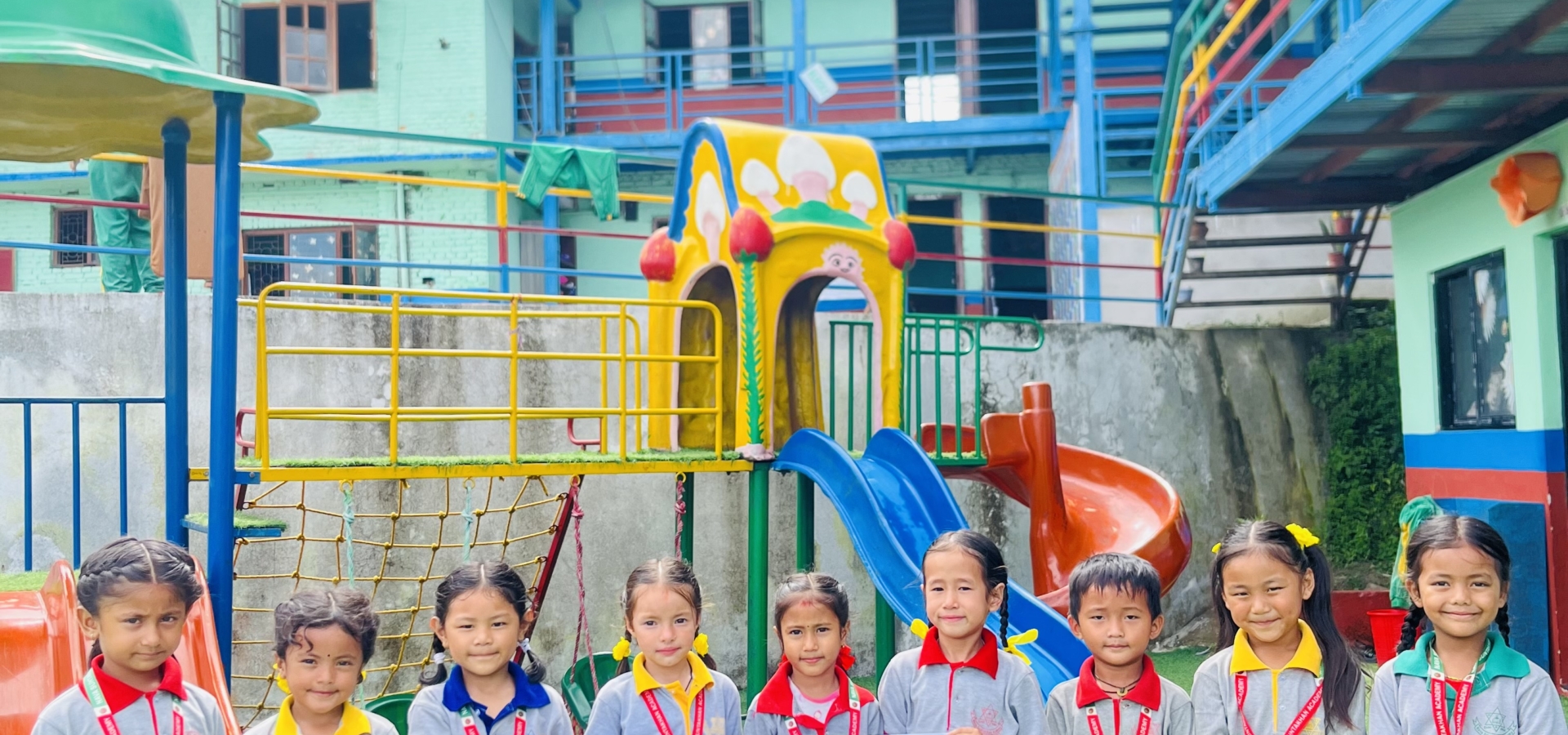
Choosing the right school for your child is one of the most critical decisions you will make as a parent in Nepal. With hundreds of educational institutions across the valley, identifying the best private schools in Kathmandu requires looking far beyond shiny brochures, towering billboards, or fee tags.
Every parent desires a school where their child is not merely prepared for board examinations, but where they are treated with dignity, inspired to think critically, kept physically and emotionally safe, and supported to develop into a confident, compassionate human being. Yet, navigating school admissions in Kathmandu can frequently feel stressful and confusing—especially with differing curricula, varying student-teacher ratios, and complex fee structures.
Whether you are enrolling your child in Nursery for their very first school experience, transitioning into primary classes, or preparing for secondary school (Grades 8 to 10), this comprehensive guide outlines everything Kathmandu parents need to know before submitting an application.
What Truly Defines the Best Private Schools in Kathmandu?
When searching for the best school in Kathmandu, many parents initially judge institutions by external markers: school bus fleets, modern architectural facades, or high monthly tuition fees. While comfortable infrastructure matters, experienced educators and child psychologists emphasize that genuine educational excellence is rooted in subtler, more profound daily realities.
Before applying for school admissions, here are the four core pillars that distinguish truly top-tier private schools in the Kathmandu Valley:
1. Academic Rigor Rooted in Understanding (Not Rote Memorization)
In many traditional schools across Nepal, academic success is still erroneously equated with textbook memorization and high marks achieved through intense rote pressure. However, the leading schools in Kathmandu have shifted toward conceptual understanding, problem-solving, and practical application.
Look for schools where teachers ask open-ended questions, encourage classroom discussions, integrate modern science and computer laboratories, and help children connect textbook theory with real-world phenomena. Consistent academic performance—such as a proven 98% or higher Secondary Education Examination (SEE) pass rate over multiple decades—reflects institutional stability, experienced teaching staff, and a culture of consistent learning.
2. Child-Centric Safety and Nurturing Campus Culture
A child cannot learn effectively if they feel intimidated, anxious, or physically insecure. The top private schools prioritize holistic safety:
- Physical Campus Safety: Secure perimeter fencing, controlled visitor entry/exit protocols, age-appropriate play equipment, clean drinking water filtration systems, hygienic sanitization facilities, and trained first-aid personnel.
- Psychological & Emotional Safety: A strict anti-bullying policy, positive behavioral reinforcement rather than corporal punishment, empathetic mentoring, and approachable teachers who understand childhood emotional development.
3. Balanced Holistic Development (ECA & CCA)
Classroom learning accounts for only a portion of a child’s character formation. The best schools balance academic discipline with vibrant Extra-Curricular Activities (ECA) and Co-Curricular Activities (CCA), including:
- Organized sports (football, basketball, badminton, athletics, table tennis) to build teamwork, stamina, and resilience.
- Performing and visual arts (music, dance, painting, drama) that nurture creative expression.
- Leadership and civic programs, such as student councils, National Cadet Corps (NCC) training, scouting, environmental clubs, and community volunteer initiatives.
4. Faculty Stability and Teacher Dedication
Behind every great school is a dedicated team of teachers. In Kathmandu’s competitive private education landscape, schools with high teacher turnover often struggle with consistency. When evaluating private schools, ask about faculty tenure: do teachers stay for five, ten, or fifteen years? An institution with long-serving, passionate educators provides the emotional stability children need across their developmental years.
Key Factors Kathmandu Parents Must Evaluate Before Admissions
To help you systematically evaluate prospective schools, we have broken down the primary criteria into practical, actionable checkpoints.
1. Location, Commute Time, and Student Well-being
Traffic congestion in the Kathmandu Valley is a major daily factor that directly impacts a child’s energy, sleep, and mental health. Spending two hours each day stuck in slow-moving traffic on dusty ring roads drains a young student’s enthusiasm for learning.
Many parents in areas such as Gokarneshwor, Jorpati, Boudha, Chabahil, and Kapan are increasingly choosing reputable, spacious community-anchored schools in their vicinity rather than sending children on exhausting commutes across town. A shorter commute gives children extra time for sleep, nutritious breakfasts, sports, hobbies, and family interaction.
“A great school ten minutes from your doorstep will almost always serve your child better than a prestigious brand that requires two hours of daily traffic exhaustion.”
2. Student-Teacher Ratio and Individual Attention
Large classrooms with 45 to 50 students make it nearly impossible for even the best teachers to notice when an individual child is falling behind or feeling overwhelmed. Top private schools maintain healthy student-teacher ratios—typically 20 to 30 students per section—allowing educators to observe learning difficulties early, tailor explanations, and build warm personal mentorship.
3. Transparent and Predictable Fee Structures
School fees are a substantial long-term investment for any Nepalese family. When inquiring about admissions, request a complete, transparent breakdown of the total annual cost rather than solely looking at the monthly tuition fee.
| Cost Category | What to Clarify Before Enrolling |
|---|---|
| Admission & Registration Fees | Is this a one-time fee or repeated annually? Are there sibling discounts available? |
| Monthly Tuition | What does tuition cover? How often are fee revisions implemented? |
| Annual / Session Charges | Do these include library access, lab maintenance, sports, and examination fees? |
| Transportation Fees | Are routes direct? What are the pickup and drop-off timeframes? |
| Meals, Uniforms & Materials | Are snacks provided or home-packed? Are textbooks and stationery billed separately? |
| Scholarships & Concessions | Are merit-based scholarships, financial assistance, or sibling concessions offered? |
Ethical, parent-centric institutions provide clear, written fee schedules with zero hidden charges. You can review an example of transparent pricing on our official Nava Suntakhan Academy Fee Structure page.
Step-by-Step School Admissions Checklist for Kathmandu Parents
To ensure a smooth admission process for the upcoming academic session, follow this step-by-step checklist:
- Shortlist 2–3 Schools: Based on proximity, curriculum, reputation, and recommendations from fellow parents whose children attend the schools.
- Schedule an In-Person Campus Visit: Never enroll a child purely through an online form. Walk the campus while school is in session to observe real interactions between teachers and students.
- Inquire About Age Criteria: Ensure your child meets the age cutoff for Nursery, LKG, UKG, or Grade 1 according to Ministry of Education guidelines.
- Prepare Required Documentation:
- Official Birth Certificate (from the local Ward office).
- Recent passport-sized photographs of the child and parents/guardians.
- Previous school character certificate, transfer certificate (TC), and latest grade sheet/report card (for Grade 1 and above).
- Immunization / medical health records if applicable.
- Understand the Interaction / Assessment Process: Reputable schools conduct friendly, pressure-free developmental assessments for young children rather than intimidating written exams.
- Review the Parent-Teacher Communication Channels: Find out whether the school utilizes mobile apps, regular diaries, or term parent-teacher meetings (PTMs) to keep you informed of your child’s progress.
Essential Questions Parents Should Ask During the School Tour
When you sit down with the admissions coordinator or principal, asking the right questions will quickly reveal the school’s true values:
- “How do you support a child who is struggling academically or emotionally?” (Listen for patience, remedial support, and empathy rather than punishment).
- “What is the average tenure of your teaching faculty?” (Stability in staff indicates a healthy work environment and consistent guidance).
- “How are behavioral issues and conflicts resolved between students?” (Look for restorative practices and character development).
- “What practical lab experiences do students receive in Science and Computer studies?” (Ask to physically inspect the laboratories and library).
- “What is your communication protocol in case of emergencies or sudden health concerns?” (Ensure the school has dedicated first aid and clear parent notification protocols).
Why Nava Suntakhan Academy Stands Out in Kathmandu & Gokarneshwor
For parents seeking a dependable, established, and values-driven school in Kathmandu, Nava Suntakhan Academy (NSA) has served as a beacon of quality education in Gokarneshwor-03 since its establishment in 2054 B.S. (1997 AD).
Over nearly three decades, NSA has earned the trust of generations of families through:
- Proven Academic Excellence: A consistent 98% pass rate in the Secondary Education Examination (SEE), backed by intensive preparation, concept-first teaching, and personalized faculty mentoring.
- Comprehensive Nursery to Grade 10 Pathway: A continuous, cohesive educational journey from early childhood play-based learning up to secondary board exams under one caring roof.
- Modern Facilities in a Clean Environment: Well-ventilated classrooms, dedicated science laboratories, a modern computer center, a well-stocked library, and open playground spaces away from city smog.
- Holistic Co-Curricular Culture: Active sports coaching, arts programs, cultural celebrations, and leadership development through programs like the National Cadet Corps (NCC).
- Fair & Transparent Admissions: Affordable tuition with transparent session charges, merit scholarships, and sibling concessions designed to make quality private education accessible to hardworking families.
Explore what current parents and alumni say about our community by visiting our Parent & Alumni Reviews, or learn more about our step-by-step Admissions Process.
Conclusion: Choosing with Confidence
Finding the best private school in Kathmandu is not about choosing the institution with the highest fees or the flashiest marketing. It is about choosing an environment where your child feels safe, valued, challenged, and inspired to grow every single day.
Take your time, visit prospective campuses in person, speak with educators, and observe how students carry themselves. When a school aligns with your family’s core values, academic standards, and developmental goals, you will feel confident that you have made the right choice for your child’s future.
Ready to learn more about admissions at Nava Suntakhan Academy? We welcome parents to tour our campus, meet our faculty, and experience our community firsthand. Contact our admissions office today at +977-1-4800955, email us at info@navasuntakhan.edu.np, or schedule your campus visit.
Leave a Reply